The Gold Rush (1925)
Item
-
Title
-
The Gold Rush (1925)
-
Creator
-
Charlie Chaplin
-
Date
-
1925
-
Description
-
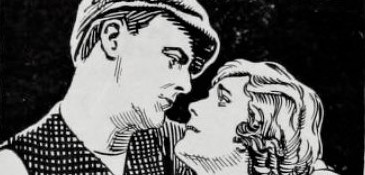
Chaplin was inspired by photos of the Klondike Gold Rush as well as the account of the Donner Party, who were forced to cannibalise or eat the leather from their shoes while snowbound in the Sierra Nevada. Chaplin, who believed that tragedies and jokes were inextricably linked, decided to merge these stories of starvation and misery into a comedy. He decided that his famous rogue character should become a gold-digger who joins a bold optimist prepared to face all the hazards involved with the search for gold, such as sickness, starvation, cold, loneliness, or the threat of being attacked by a bear at any time. Scenes in the film include Chaplin cooking and daydreaming about his shoe, as well as his famished companion.
-
The Gold Rush (1925)
-
Scholarly Significance
-
The film's Cliffside house, which places one in extreme fear and makes one feel heartbroken in the face of the laughs, fills the entire film with such techniques. The gimmick is accompanied by bitterness, the fantasy by dashing, and the dream comes true in an instant, followed by a fairytale-like comic ending, which in turn heightens the film's irony. When reflecting on reality after the film, it becomes clear that this is just an illusion created by the film, unlike the real world of reality. The reason why Chaplin went further than his comedic counterparts was that he succeeded in pushing pure comedy into a blend of tragedy and comedy, giving the film a deeper and richer meaning.
-
Cataloguer
-
Yuan Yuan
 The Gold Rush (1925)